Unlocking the Potential of Portiere: A Guide to Smart Font Selection
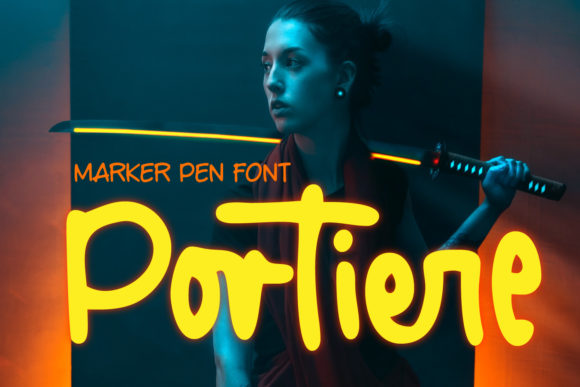
There is a distinct joy in finding a typeface that feels like an old friend. Portiere captures exactly that sentiment. As a fun, trendy, brushed handwritten font, it strikes a rare balance between being friendly and neat. For designers, marketers, and small business owners looking to inject personality into their work without sacrificing readability, this font often appears as a top contender. However, the excitement of discovering a new typeface can sometimes lead to hasty decisions. While Portiere is versatile, treating it as a universal solution for every informal design project is a common pitfall that can dilute your brand's message.
Understanding the nuances of brushed scripts is essential before you commit to downloading or purchasing. Many creators assume that because a font looks "handwritten," it automatically conveys authenticity. In reality, the application requires a more strategic approach. This guide explores how to leverage Portiere effectively while avoiding the traps that often compromise design quality and communication clarity.
The Misconception of Universal Informality
One of the most frequent errors designers make is assuming that a font described as "ideal for informal designs" can be used anywhere casualness is required. Portiere excels in contexts like greeting cards, social media graphics, packaging for artisanal goods, and blog headers. However, applying it to lengthy body text or complex informational layouts is a mistake that affects usability significantly.
Brushed fonts rely on varying stroke widths and textured edges to mimic the look of a paintbrush or marker. While this adds character, it reduces legibility at smaller sizes or in dense paragraphs. When readers struggle to decipher your message, the friendly vibe turns into frustration. Instead of forcing Portiere into roles meant for clean sans-serifs or serifs, reserve it for headlines, short quotes, and call-to-action buttons. Pair it with a simple, neutral typeface for the body copy to maintain a professional yet approachable aesthetic.
Overlooking Licensing and Usage Rights
In the rush to start a project, many freelancers and entrepreneurs skip the fine print regarding font licensing. This oversight can lead to serious legal and financial complications down the road. Just because you can download a preview of Portiere does not mean you have the right to use it commercially. Some foundries offer free personal licenses but require a separate purchase for commercial projects, such as logos, merchandise, or client advertisements.
Using a font beyond its licensed scope can result in cease-and-desist letters or unexpected fees, which is particularly damaging for small businesses operating on tight budgets. Before integrating Portiere into a client's branding or a product you intend to sell, always verify the license agreement. Look for terms regarding "webfont," "app," or "broadcast" usage if your project extends beyond print. Investing in the correct license upfront ensures peace of mind and supports the type designer who created the tool you rely on.
Neglecting Context and Contrast
A stylish font cannot save a design that lacks proper contrast. A common issue seen with brushed scripts like Portiere is placing them over busy backgrounds or using colors that blend too closely with the backdrop. The textured edges of the brush strokes can easily get lost against patterned images or low-contrast color palettes, making the text appear muddy rather than trendy.
To avoid this, always test your typography in the actual environment where it will live. If you are designing a logo, ensure it works in solid black and white before adding color. For web banners, use solid color blocks behind the text or apply a subtle drop shadow to lift the letters off the background. Remember that Portiere thrives when it has room to breathe; give it ample whitespace. Crowding the letters or surrounding them with competing visual elements diminishes the impact of its unique brush style.
The Trap of Overusing Trends
Trendy fonts come and go. While Portiere is currently popular for its modern, handcrafted feel, relying solely on trendiness can date your brand quickly. If your entire visual identity hinges on a specific stylistic flourish that is ubiquitous in current design circles, you risk looking generic rather than unique. Many startups make the mistake of choosing a font because it is "in," rather than because it aligns with their long-term brand values.
A better approach is to use Portiere as an accent rather than the foundation of your identity. Let it highlight key messages or add a human touch to specific campaigns, while keeping your core logo and primary communications grounded in more timeless typography. This strategy allows you to enjoy the benefits of a trendy font without locking your brand into a style that may feel outdated in a few years. Ask yourself if the font communicates your specific message or if it just looks cool. The former builds loyalty; the latter only grabs temporary attention.
Technical Execution and File Formats
Even with the perfect font choice, technical missteps can ruin the final output. Beginners often download the wrong file format for their intended medium. For instance, using a desktop font file for web implementation without converting it to a webfont format (like WOFF or WOFF2) can lead to slow loading times and inconsistent rendering across different browsers and devices.
Furthermore, when printing materials featuring Portiere, ensure your resolution settings are high enough to capture the delicate brush textures. Low-resolution prints can make the brushed edges look jagged or pixelated, stripping away the organic quality that makes the font appealing. Always check the kerning (spacing between characters) manually. Handwritten fonts sometimes have irregular spacing that needs adjustment to ensure words look cohesive. Taking the time to tweak these details demonstrates professionalism and ensures the final product looks as polished as the concept.
Making the Right Choice for Your Project
Ultimately, Portiere is a fantastic tool when used with intention. It offers a warm, inviting voice that can elevate informal designs from ordinary to exceptional. By respecting its limitations, understanding licensing requirements, ensuring proper contrast, and avoiding the trap of blind trend-following, you can maximize its potential. Whether you are a blogger crafting a new header, an educator creating engaging handouts, or an entrepreneur launching a new product line, the key lies in thoughtful application.
Before you finalize your design, step back and evaluate. Does the font enhance readability? Does it fit the brand's longevity? Have you secured the proper rights? Answering these questions honestly will save you time, money, and creative headaches. Embrace the friendly nature of Portiere, but pair it with the discipline of a seasoned designer to create work that truly resonates with your audience.