Unlocking the Potential of Hantlay: A Guide to Smart Font Selection
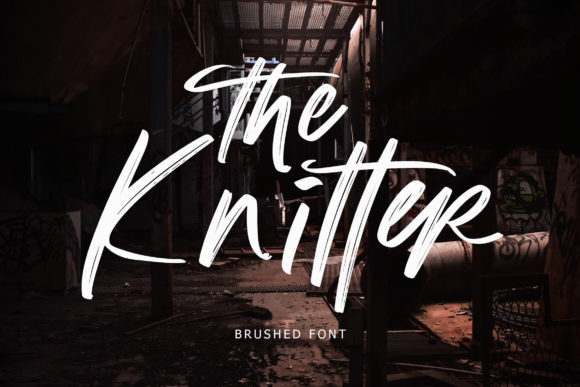
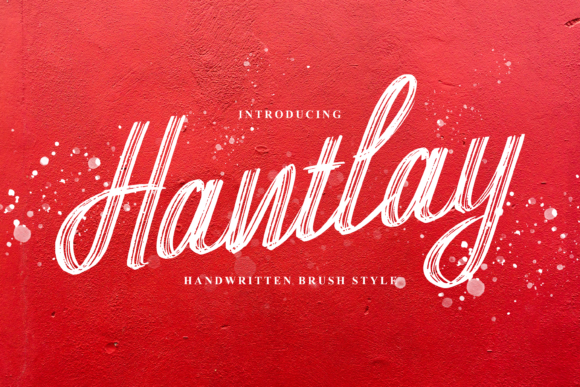
There is a distinct moment in every creative project where the right typeface transforms a good idea into a memorable brand. Hantlay captures this magic with its cursive, beautiful brushed handwritten style. It offers an original look that appeals to a wide range of crafty ideas, from elegant letterheads and striking titles to personalized stationery. However, the allure of a stunning script font can sometimes lead designers and business owners to overlook practical considerations. While the aesthetic appeal is undeniable, using a brush script effectively requires more than just downloading a file and typing away. To truly leverage the power of this font, one must navigate common pitfalls regarding legibility, context, and technical application.
The Trap of Overusing Decorative Scripts
The most frequent mistake creators make when falling in love with Hantlay is assuming it can carry the entire weight of a design. Brushed handwritten fonts are inherently decorative. They possess personality, movement, and texture that demand attention. When used for body text or long paragraphs, this intensity becomes exhausting for the reader. The varying stroke widths and connected letters that make the font beautiful in a headline can create visual noise when scaled down.
If you apply Hantlay to a restaurant menu description or a blog post's main content, you risk sacrificing readability for style. The result is often a frustrated audience that skips over your message entirely. A better approach is to treat Hantlay as the "accent" rather than the "foundation." Use it strictly for headlines, pull quotes, logos, or short calls to action. Pair it with a clean, neutral sans-serif or a highly readable serif font for the bulk of your text. This contrast allows the unique character of Hantlay to shine without overwhelming the viewer, ensuring your communication remains clear and professional.
Misunderstanding Context and Brand Alignment
Another area where many stumble is misaligning the font's vibe with the brand's identity. Hantlay exudes warmth, creativity, and a human touch. It suggests craftsmanship and personal care. Consequently, it is perfect for wedding invitations, boutique packaging, artisanal food labels, and lifestyle blogs. However, forcing this font into a context that requires strict authority or high-tech precision can send mixed signals.
For instance, using a flowing brush script for a legal firm's letterhead or a cybersecurity company's dashboard might undermine the perception of stability and rigor. The mismatch doesn't mean the font is bad; it simply means the application is off. Before committing to Hantlay for a corporate identity, ask yourself if the emotional tone matches your industry. If you are in a field that values tradition and softness, Hantlay is an excellent choice. If your brand relies on data and stark minimalism, consider reserving this font for specific marketing campaigns rather than your primary corporate communications.
Technical Oversights in Digital and Print
Beyond aesthetics, there are technical nuances that beginners often overlook, leading to poor output quality. Brush fonts like Hantlay rely heavily on the smooth rendering of curves and tapering ends. On low-resolution screens or when printed on cheap, absorbent paper, these fine details can blur or disappear. A common error is failing to test the font at various sizes and on different mediums before finalizing a design.
When designing for the web, ensure that your CSS renders the font smoothly across devices. Anti-aliasing settings can make or break the appearance of a script font. Similarly, in print, the choice of paper stock matters immensely. A textured, uncoated paper might cause the ink to bleed, turning sharp brush strokes into fuzzy blobs. Always request a physical proof if you are printing stationery or packaging. Check how the ink sits on the material. If the fine tails of the letters are getting lost, you may need to adjust the ink density or switch to a smoother paper stock to preserve the integrity of the design.
Navigating Licensing and Usage Rights
A critical, yet often ignored, aspect of adopting a new typeface is understanding the licensing terms. Many creators download fonts from free repositories without reading the fine print, assuming that "free to download" equals "free for commercial use." This is a dangerous assumption that can lead to legal complications down the road. Fonts are intellectual property, and the creator of Hantlay, like any typographer, sets specific rules for how their work can be used.
Before integrating Hantlay into a client project or a product you intend to sell, verify the license. Does it allow for commercial use? Is there a limit on the number of impressions or products? Some licenses require a separate fee for embedding the font in an app or a website, while others only cover static images. Ignoring these details can result in cease-and-desist letters or unexpected costs. The prudent path is to purchase a proper license if you are using the font for business purposes. This not only protects you legally but also supports the artist who spent hours crafting those beautiful strokes.
Pairing and Hierarchy Best Practices
To get the most out of Hantlay, one must master the art of typography pairing. Because Hantlay is so expressive, it needs a partner that provides structure. A common mistake is pairing it with another decorative font, which creates a chaotic and competing visual hierarchy. Instead, look for simplicity.
- For Modern Brands: Pair Hantlay with a geometric sans-serif like Montserrat or Lato to balance the organic curves with clean lines.
- For Traditional Looks: Combine it with a classic serif like Merriweather or Playfair Display to enhance the elegant, timeless feel.
- For Casual Projects: Use a simple humanist sans-serif to keep the overall tone friendly and approachable.
Remember to play with scale. Hantlay should generally be significantly larger than your body text to maintain legibility. Adequate whitespace around the script is also crucial; crowding it with other elements diminishes its impact. By giving the font room to breathe, you highlight its artistic qualities and guide the reader's eye naturally through your design.
Ultimately, Hantlay is a powerful tool in your creative arsenal, capable of adding a layer of sophistication and humanity to your projects. Whether you are a small business owner designing your first logo or a seasoned marketer refreshing a campaign, the key lies in restraint and intentionality. Avoid the urge to use it everywhere. Respect its technical limitations, honor the licensing agreements, and pair it wisely. When used with thought and care, this brushed handwritten font does more than just display words; it tells a story and connects emotionally with your audience, turning simple stationery and titles into works of art.