Integrating Caslebeat: A Practical Guide to Handwritten Typography in Professional Workflows
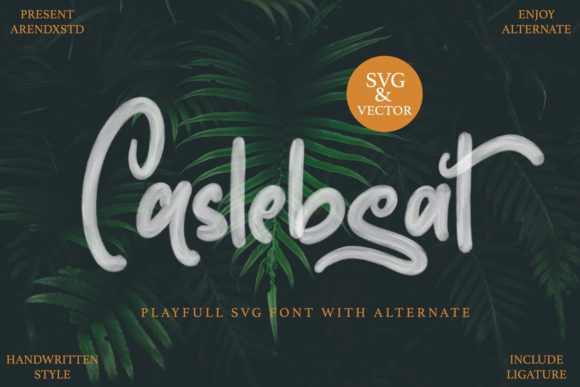
In the landscape of digital design and content creation, typography often serves as the silent ambassador of a brand's personality. While clean sans-serifs dominate corporate interfaces and bold slab serifs command attention in headlines, there remains a persistent need for human connection in visual communication. This is where Caslebeat enters the workflow. As an incredibly unique paint-brushed handwritten font, it bridges the gap between digital precision and organic imperfection. For professionals ranging from marketers to educators, integrating Caslebeat is not merely about selecting a new typeface; it is about strategically deploying a tool that alters the tone, pacing, and emotional resonance of a project.
Understanding where Caslebeat fits within a broader creative process requires looking beyond its aesthetic appeal. It functions best when used intentionally to highlight specific elements, guide user attention, or inject warmth into otherwise sterile environments. Whether you are crafting a greeting card, designing a social media campaign, or building a presentation deck, the decision to use a brush font like Caslebeat should be driven by the desired outcome of the communication.
Strategic Placement in the Creative Lifecycle
The utility of Caslebeat varies significantly depending on the stage of the project. In the initial planning phases, particularly during brainstorming or mood boarding, this font can serve as a conceptual anchor. Because it mimics the stroke of a physical paintbrush, it immediately signals creativity, approachability, and authenticity. Using Caslebeat in early mockups helps stakeholders visualize a "human-first" direction before high-fidelity assets are produced.
During the execution phase, Caslebeat shines in roles that require emphasis without aggression. Unlike all-caps bold fonts that shout, a handwritten script whispers with confidence. It is ideally suited for:
- Headlines and Subheaders: Breaking up blocks of text in blogs or magazines to create visual rhythm.
- Call-to-Action Buttons: Softening the commercial edge of a "Buy Now" or "Sign Up" prompt to feel more like an invitation.
- Annotations and Callouts: Adding notes to diagrams or screenshots that feel like they were written by a colleague rather than generated by software.
- Pull Quotes: Highlighting key testimonials or insights in presentations and reports.
Post-production is another critical area where Caslebeat adds value. In video editing or motion graphics, overlaying handwritten text can simulate real-time annotation, making tutorials or explainers feel more dynamic and less scripted. Similarly, in print workflows, using Caslebeat for packaging labels or thank-you notes included in shipments creates a tangible sense of care that standard fonts cannot replicate.
Compatibility and Technical Integration
For freelancers and small business owners, workflow efficiency is paramount. A font is only as useful as its compatibility with existing tools. Caslebeat is designed to function seamlessly across major design ecosystems. Whether you are working in Adobe Photoshop for raster-based editing, Illustrator for vector scaling, or Canva for rapid social media deployment, the font maintains its integrity.
One practical consideration for implementation is file format management. When handing off projects to clients or collaborating with remote teams, ensuring that Caslebeat is properly embedded or outlined is essential to preserve the brush-stroke details. In web design contexts, converting the font to a web-friendly format (such as WOFF2) ensures that the unique texture of the paintbrush effect loads quickly without sacrificing quality on mobile devices. This attention to technical detail prevents the "fallback font" issue, where a browser defaults to Arial or Times New Roman, breaking the intended design language.
Furthermore, Caslebeat interacts well with other typographic styles. It pairs exceptionally well with geometric sans-serifs, creating a contrast between the structured and the spontaneous. This pairing allows designers to establish a clear hierarchy: the sans-serif handles the heavy lifting of readability for body copy, while Caslebeat provides the emotional accent. Avoid pairing it with other complex scripts or overly decorative fonts, as this can lead to visual clutter and reduce legibility.
Enhancing Specific Use Cases
Different industries leverage Caslebeat to solve distinct communication challenges. For educators and trainers, the font is invaluable for creating worksheets, certificates, and instructional materials that feel personalized. Students often respond better to materials that appear hand-crafted, as it reduces the psychological distance between the learner and the content.
In the realm of marketing and branding, Caslebeat supports the trend toward authenticity. Consumers are increasingly skeptical of polished, corporate messaging. A brand that uses a paint-brushed font for its seasonal campaigns or limited-edition product labels signals transparency and craftsmanship. This is particularly effective for artisanal products, lifestyle blogs, and wellness brands where the narrative of "hand-made" is central to the value proposition.
For event planners and coordinators, the font offers a versatile solution for invitations, seating charts, and signage. The organic nature of the brush strokes conveys celebration and warmth, setting the tone for the event before a guest even arrives. Similarly, in the publishing sector, authors and self-publishers can use Caslebeat for chapter headings or dedication pages to give their books a distinctive character that stands out on digital shelves.
Best Practices for Implementation and Quality Control
While Caslebeat is a powerful tool, its effectiveness relies on disciplined usage. Overusing a display font can diminish its impact and hinder readability. A practical rule of thumb is to limit its use to 10-15% of the total text in a design. Reserve it for moments that require emotional engagement or visual interruption.
Legibility is another crucial factor. Because Caslebeat mimics a paintbrush, it includes varying stroke widths and potential ink-bleed textures. When sizing the font for small screens or distant viewing (such as projection screens), ensure the point size is large enough to maintain clarity. Test the font against various background colors; high contrast is necessary to ensure the textured edges of the letters do not get lost against busy patterns.
Consistency is key to professional results. Once you decide to integrate Caslebeat into a project, define specific rules for its application. Will it always be used for quotes? Will it only appear in a specific color palette? Documenting these decisions in a style guide ensures that everyone involved in the project—from graphic designers to copywriters—applies the font consistently. This prevents the final output from looking disjointed or amateurish.
Long-Term Value and Workflow Optimization
Investing in a high-quality font like Caslebeat is a long-term asset for any creative professional. Unlike stock images that may become dated or overused, a distinctive typeface becomes part of your visual vocabulary. Over time, repeated exposure to the font in your communications builds brand recognition. Clients and audiences begin to associate the specific flow and texture of Caslebeat with your unique voice.
To maximize this value, organize your digital assets efficiently. Store the font files in a cloud-synced folder accessible to all team members, along with a readme file containing licensing information and usage examples. This reduces friction when starting new projects and ensures compliance with licensing terms. Additionally, keep a library of pre-designed templates (such as social media posts or email headers) that already utilize Caslebeat. This allows for rapid deployment of on-brand content without needing to redesign from scratch every time.
Ultimately, the goal of incorporating Caslebeat into your workflow is to enhance the human element of your digital and physical outputs. In an era dominated by automation and AI-generated content, the imperfect, organic feel of a paint-brushed font serves as a reminder of human creativity. By thoughtfully integrating Caslebeat into your planning, execution, and review processes, you elevate the quality of your work and foster a deeper connection with your audience. It is not just a font; it is a strategic choice to prioritize clarity, warmth, and authenticity in every project you undertake.