Defining Character: A Practical Evaluation of the Lonely Angels Font
Selecting the right typeface is often the most critical decision in a design project, acting as the primary vehicle for tone and emotion. Among the vast landscape of handwritten styles, Lonely Angels has emerged as a distinctive option for designers seeking a balance between rugged authenticity and stylistic flair. This font is not merely a collection of letters; it is a brushed handwritten tool crafted to inject a specific kind of energy into headlines and logotype projects. Understanding where this typeface fits within the broader ecosystem of typography requires looking beyond its aesthetic appeal to examine its functional strengths, limitations, and ideal use cases.
The Distinctive Nature of Brushed Handwriting
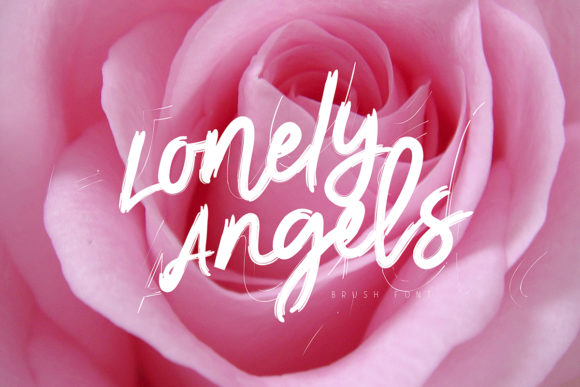
At its core, Lonely Angels belongs to the category of brushed script fonts, a style that mimics the stroke of a paintbrush or marker. However, what sets it apart from generic offerings in this category is its specific personality profile. The font reads as strong, confident, and dynamic, avoiding the overly delicate or whimsical traits often found in feminine-coded scripts. Instead, it offers a bold presence that commands attention without sacrificing the organic feel of human handwriting.
The "nostalgic character" mentioned in its description is achieved through variable stroke widths and slightly irregular terminals that suggest speed and movement. Unlike digital sans-serifs that prioritize perfect geometric uniformity, Lonely Angels embraces imperfection. This makes it particularly effective for brands or projects aiming to evoke a sense of heritage, artisanal quality, or raw creativity. When evaluating this font against standard display options, the key differentiator is its ability to convey motion and emotion simultaneously, making static text feel alive.
Comparative Analysis: Where It Fits in the Typography Landscape
To make an informed decision about using Lonely Angels, it is helpful to compare it against other common typographic approaches. Designers typically choose between three main categories for headlines: clean geometric sans-serifs, traditional serifs, and expressive scripts.
- Geometric Sans-Serifs: These fonts offer maximum legibility and a modern, corporate feel. While they are safe and versatile, they often lack the emotional resonance required for lifestyle brands or creative campaigns. Lonely Angels serves as a direct alternative when the goal is to break away from sterility and introduce human warmth.
- Traditional Serifs: Ideal for authority and tradition, serif fonts can sometimes feel too rigid or old-fashioned for contemporary streetwear or music-related projects. The dynamic nature of Lonely Angels provides a more youthful and energetic alternative while maintaining a level of sophistication.
- Other Brush Scripts: Many brushed fonts suffer from being either too messy to read or too polished to feel authentic. Some lean heavily into grunge, sacrificing clarity, while others look like vector illustrations rather than handwriting. Lonely Angels occupies a middle ground, offering enough texture to feel hand-crafted but retaining sufficient structure to remain legible at various sizes.
This positioning makes it a versatile tool for designers who find standard options too boring but fear that highly decorative scripts will compromise readability. It is a strategic choice for those who need a headline to do heavy lifting in terms of branding without requiring extensive graphic embellishment.
Strengths and Ideal Applications
The primary strength of Lonely Angels lies in its versatility within the realm of display typography. Because it is designed specifically for headlines and logotypes, it excels in situations where text needs to act as an image. Practical applications where this font shines include:
- Brand Identity and Logos: For startups in the fashion, coffee, or craft beer industries, a logo needs to tell a story instantly. The confident strokes of Lonely Angels can establish a brand voice that feels established yet approachable.
- Poster and Event Design: Music festivals, art exhibitions, and pop-up shops benefit from the dynamic energy of this font. It captures the eye from a distance and suggests excitement before the viewer even reads the details.
- Packaging Design: On product labels, especially for handmade goods, the font adds a layer of perceived value. It suggests that the product inside was made with care and human touch, aligning with consumer desires for authenticity.
- Social Media Graphics: In a feed dominated by polished photography, a bold handwritten headline can stop the scroll. The nostalgic vibe resonates well with current trends favoring retro aesthetics and "real" content over highly produced imagery.
In these scenarios, the font acts as more than just text; it becomes a texture and a mood setter. Its boldness ensures that it remains effective even when placed over complex backgrounds, a common requirement in modern editorial and web design.
Limitations and Tradeoffs to Consider
While Lonely Angels is a powerful tool, it is not a universal solution. A balanced evaluation requires acknowledging its limitations. As a brushed display font, it is generally unsuitable for body copy. The varying stroke widths and artistic flourishes that make it beautiful at large sizes can cause eye fatigue and reduce reading speed when used in paragraphs. For long-form content, pairing it with a neutral sans-serif or a highly legible serif is essential.
Furthermore, the specific "bold" and "dynamic" character of the font may clash with brands aiming for a minimalist, ultra-clean, or strictly corporate identity. If a project requires a tone of absolute neutrality or medical precision, the expressive nature of Lonely Angels could undermine the intended message. Additionally, because it relies on stylistic alternates and ligatures to achieve its natural flow, it requires software that supports OpenType features to look its best. Using it in basic text editors might result in repetitive letterforms that break the illusion of handwriting.
Making the Decision: Is This the Right Resource?
Choosing a typeface is ultimately about alignment with project goals. Lonely Angels is the right choice when the objective is to inject personality, nostalgia, and confidence into a visual hierarchy. It is particularly valuable for designers working on projects that need to feel human-centric and emotionally engaging. If the design brief calls for something "safe," "standard," or "invisible," this font is likely not the appropriate fit.
When comparing resources, consider the longevity of the trend. While handwritten fonts have cyclical popularity, the specific execution of Lonely Angels—with its focus on strength rather than whimsy—gives it a longer shelf life than more fad-driven scripts. It bridges the gap between vintage signage and modern digital aesthetics, making it a robust addition to a professional font library.
Ultimately, the decision to use Lonely Angels should be driven by the need for a distinct voice. It offers a stylish touch that transforms ordinary headlines into memorable statements. By understanding its strengths in branding and display contexts, and respecting its limitations regarding body text and corporate neutrality, designers can leverage this font to create work that feels both timeless and immediately relevant. It stands as a testament to the power of typography to convey not just words, but feeling.