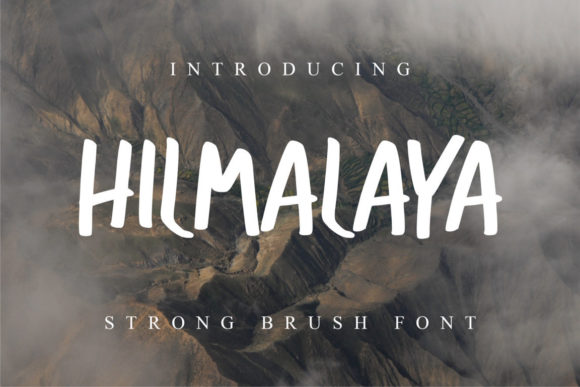
Unlocking Creative Potential: A Practical Guide to the Hilmalaya Display Font
In the vast ecosystem of typography, finding a typeface that balances distinct character with functional versatility is often a challenge for designers and crafters alike. Hilmalaya emerges as a compelling option in this space, defined specifically as a strong brushed display font. Its aesthetic draws inspiration from the fluidity of hand-painted lettering while maintaining the structural integrity required for professional applications. For adults navigating the complexities of branding, stationery design, or digital content creation, understanding where Hilmalaya fits within the broader landscape of display fonts is essential for making an informed resource choice.
Defining the Aesthetic: What Makes Hilmalaya Distinct
At its core, Hilmalaya is characterized by its bold, brush-stroke texture. Unlike geometric sans-serifs that rely on mathematical precision, or traditional serifs that evoke historical formality, this font mimics the organic imperfections of a physical brush hitting paper. The "strong" descriptor in its classification refers to its high x-height and substantial stroke weight, which ensures legibility even when scaled down slightly or viewed from a distance.
The distinctiveness of Hilmalaya lies in its ability to convey energy and movement without sacrificing readability. Many brushed fonts suffer from excessive flair or tangled ligatures that make them difficult to parse in longer strings of text. Hilmalaya avoids this pitfall by keeping the brush strokes confident and relatively clean. This makes it particularly suitable for headlines where the goal is to grab attention immediately. The texture adds a layer of tactile warmth to digital screens, bridging the gap between modern digital design and traditional craftsmanship.
Evaluating Fit: Ideal Use Cases and Applications
When evaluating whether Hilmalaya is the right tool for a specific project, one must consider the medium and the message. The font excels in scenarios requiring a personal, artisanal, or dynamic touch. Common applications include:
- Letterheads and Branding: For small businesses or freelancers wanting to project a creative yet professional image, Hilmalaya works exceptionally well for logos and header elements on stationery.
- Titles and Headlines: Its bold nature makes it perfect for magazine covers, blog post titles, or YouTube thumbnails where contrast against a background is necessary.
- Packaging and Labels: Craft products, such as handmade soaps, artisanal foods, or boutique clothing, benefit from the human feel of the brush style.
- Event Stationery: Invitations for informal gatherings, workshops, or creative retreats can utilize Hilmalaya to set a welcoming tone.
However, it is crucial to recognize the limitations of display fonts. Hilmalaya is not designed for body copy. Using it for paragraphs longer than two or three sentences can lead to visual fatigue for the reader due to the heavy texture and varying stroke widths. In a comprehensive design layout, it should be paired with a neutral sans-serif or a simple serif font for the main content to ensure a balanced hierarchy.
Comparative Analysis: Hilmalaya vs. Other Typography Styles
To truly understand the value of Hilmalaya, it helps to compare it against other categories of typefaces available to designers. This comparison aids in determining whether the specific "brushed" look is necessary or if a different approach might yield better results for a given project.
Brushed Scripts vs. Clean Sans-Serifs
Clean sans-serif fonts like Helvetica or Futura offer maximum neutrality and clarity. They are safe choices for corporate communications but can feel sterile or impersonal. Hilmalaya offers a significant advantage here by injecting personality. If a brand needs to feel approachable and human, Hilmalaya outperforms standard sans-serifs. However, if the priority is absolute minimalism or technical precision, a clean sans-serif remains the superior choice.
Handwritten Fonts vs. Structured Brush Fonts
There is a spectrum of "hand-made" fonts ranging from messy, casual scripts to structured brush types. Hilmalaya sits firmly in the structured category. Compared to loose, flowing handwritten fonts that mimic quick cursive notes, Hilmalaya provides better legibility. Casual scripts often struggle with capitalization consistency and spacing issues. Hilmalaya's uniform baseline and robust structure make it more versatile for all-caps headlines, a common requirement in advertising and poster design.
Vintage Serifs vs. Modern Brush
While vintage slab serifs can also convey a sense of tradition and craft, they often feel heavier and more static. Hilmalaya introduces a sense of motion through the directional quality of the brush strokes. This makes it a better fit for industries related to fitness, travel, or dynamic arts, whereas a slab serif might be more appropriate for law firms or heritage brands seeking stability.
Decision Factors: When to Choose Hilmalaya
Selecting a font is rarely about finding the "best" one in a vacuum; it is about finding the best fit for the context. Several factors should influence the decision to integrate Hilmalaya into a design toolkit:
- Tone of Voice: Does the project require a tone that is energetic, creative, and slightly rugged? If the answer is yes, Hilmalaya aligns well. If the tone needs to be luxurious, delicate, or strictly corporate, other options may serve better.
- Legibility Requirements: Consider the viewing distance and size. Hilmalaya performs well in large formats. If the text needs to be read on a small mobile screen at a very small point size, the brush details might blur, suggesting a simpler alternative is needed.
- Pairing Potential: Evaluate the existing visual assets. Hilmalaya pairs beautifully with minimalist imagery and plenty of white space. If the existing design is already cluttered or highly textured, adding a busy brush font could create visual noise.
- Target Audience: The demographic matters. Adults aged 20–50 often appreciate the blend of modern digital aesthetics with nostalgic, analog textures that Hilmalaya provides. It resonates with audiences who value authenticity and craftsmanship.
Practical Implementation and Tradeoffs
Implementing Hilmalaya effectively requires an understanding of typographic hierarchy. Because it is a display font, its primary role is to lead the eye. A common mistake among less experienced designers is overusing such distinctive fonts across an entire layout. To maintain professionalism, limit Hilmalaya to key focal points: the main title, section headers, or call-to-action buttons.
One tradeoff to consider is the file format and licensing. As with any specialized font, ensuring you have the correct license for commercial use—whether for print stationery or web embedding—is vital. Some brushed fonts come with limited character sets, lacking extensive language support or special glyphs. Before committing to Hilmalaya for a global campaign or a multilingual project, verify the glyph coverage to ensure it meets the scope of the work.
Furthermore, color interaction plays a significant role with textured fonts. Solid black on white is the standard, but Hilmalaya can lose some of its charm if placed over a busy background without proper contrast management. Using a solid backing shape or a drop shadow can help preserve the integrity of the brush strokes, ensuring the "strong" nature of the font remains visible.
Final Thoughts on Resource Selection
In the final analysis, Hilmalaya represents a robust choice for those seeking to inject a sense of crafted authenticity into their visual projects. It stands out in a crowded market of display fonts by offering a balance between artistic flair and structural reliability. While it is not a universal solution for every typing need, its strengths in branding, titling, and stationery design make it a valuable asset for creative professionals.
By weighing the specific needs of a project against the unique characteristics of Hilmalaya, designers can make strategic decisions that enhance communication rather than hinder it. Whether used for a bold letterhead or a striking website banner, this font serves as a reminder that typography is not just about reading words, but about feeling the intent behind them. For anyone exploring alternatives to standard system fonts, Hilmalaya offers a worthy avenue for experimentation and expression.