Embracing the Grit: Why Anxious is the Ultimate Urban Display Font
In the vast landscape of typography, where clean sans-serifs and elegant serifs often dominate corporate brochures and tech startups, there exists a raw, unpolished corner reserved for voices that demand to be heard. This is the realm of the brushed display font, and standing tall within this category is Anxious. Designed with an urban aesthetic in mind, this typeface captures the essence of street culture, rebellion, and dramatic flair. It is not merely a collection of letters; it is a visual statement that speaks directly to the viewer before a single word is read.
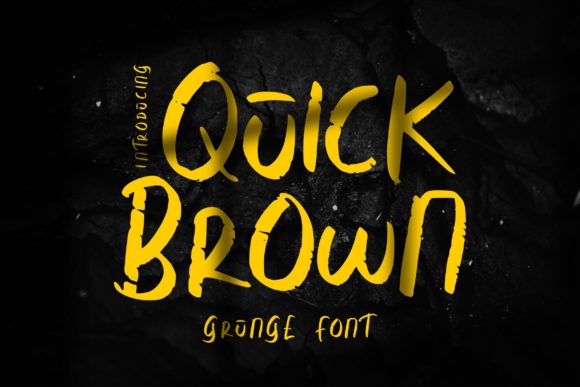
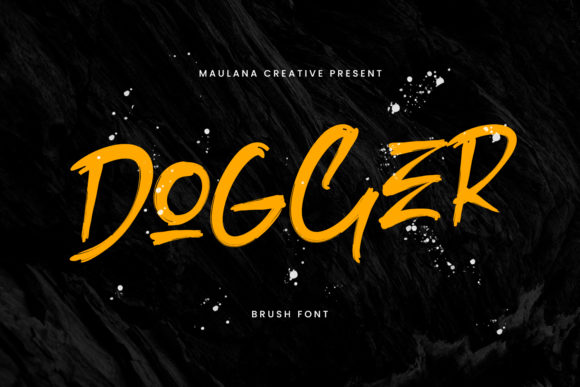
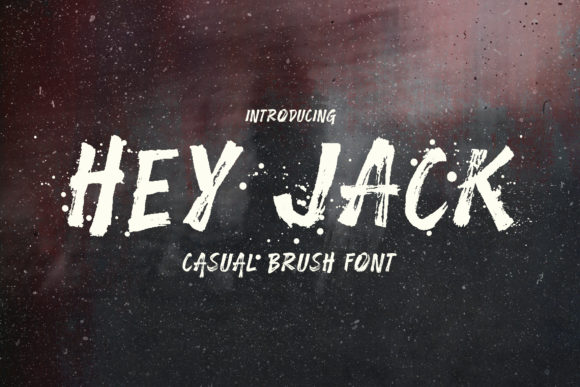
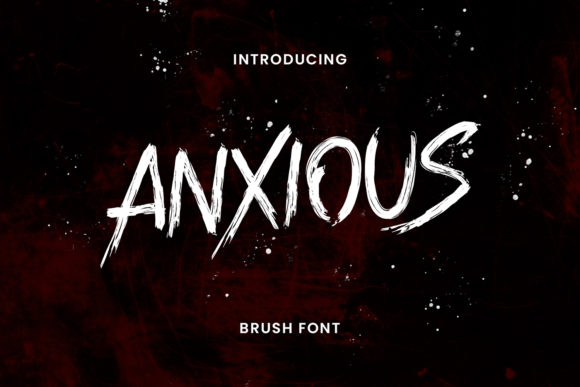
When designers seek to break away from the sterile perfection of digital vectors, they often turn to textures that mimic the physical world. Anxious delivers this in spades. Its rough texture and dramatic strokes evoke the feeling of paint slapped onto a brick wall or ink hurriedly scrawled on a manifesto. For projects that require an informal yet powerful presence, this font offers a unique solution that bridges the gap between artistic expression and commercial viability.
The Aesthetic of Imperfection
The primary allure of Anxious lies in its deliberate imperfection. In an era where high-definition screens render every pixel with clinical precision, there is a growing appetite for designs that feel human, tactile, and slightly worn. The brushed style of this font simulates the natural variation found in hand-painted signage. Each stroke varies in thickness, suggesting the pressure of a brush or the speed of a marker. This organic quality prevents the text from looking static; instead, it feels alive and in motion.
This roughness is not a flaw but a feature. It adds depth to flat designs, creating a sense of history and grit. When you place Anxious on a poster, it doesn't just sit on the surface; it feels embedded into the material. This characteristic makes it particularly effective for industries that rely on authenticity, such as independent music labels, skate brands, and craft breweries. These sectors often reject the polished look of mainstream advertising in favor of something that feels grassroots and genuine.
Where Urban Style Meets Modern Design
The term "urban styled" encompasses more than just geography; it represents a mindset. It is about energy, density, and the chaotic beauty of city life. Anxious encapsulates this spirit perfectly. Its dramatic forms are reminiscent of graffiti art and subway advertisements, yet it retains enough legibility to function effectively in professional design workflows. This balance is crucial. A font can be too messy to read or too clean to have character, but Anxious strikes a harmonious middle ground.
Consider the workflow of a modern graphic designer working on a music festival lineup. The goal is to convey excitement and edge. Using a standard geometric font might make the event feel safe or generic. However, integrating Anxious for the headliner names instantly injects a dose of adrenaline. The jagged edges and uneven ink distribution suggest that the event will be loud, unpredictable, and memorable. It sets the tone before the ticket is even purchased.
Practical Applications Across Industries
While the font's personality is strong, its versatility allows it to fit into various informal design scenarios. It is not suitable for body text in a legal document or a financial report, but for headlines, logos, and short bursts of information, it excels. Here are several areas where Anxious shines:
- Apparel and Merchandise: T-shirt designs benefit immensely from textured fonts. When printed on fabric, the rough edges of Anxious blend naturally with the weave of the material, avoiding the "sticker-like" appearance of overly smooth vectors.
- Packaging Design: Craft products, such as artisanal coffee bags or small-batch hot sauces, often use packaging to tell a story. A label featuring Anxious suggests a product made by hand with passion, rather than mass-produced in a factory.
- Social Media Graphics: In the fast-scrolling environment of Instagram and TikTok, visuals must stop the thumb. The dramatic contrast and texture of this font create immediate visual interest, increasing engagement rates for promotional posts.
- Event Branding: From underground club nights to street art exhibitions, event branding requires a hook. Anxious provides that hook, signaling to the audience that the experience will be immersive and intense.
Navigating Legibility and Pairing
One common concern when adopting a highly stylized display font is legibility. Because Anxious features significant texture and irregular stroke widths, it can become difficult to read if used at small sizes or in long paragraphs. The key to using this font effectively is restraint. It should be reserved for large-scale applications where the details of the brush strokes can be appreciated without hindering comprehension.
Furthermore, successful design often relies on contrast. Since Anxious is so dominant and chaotic, it pairs best with simple, neutral typefaces. A clean sans-serif or a modest serif font works wonderfully as a companion for body copy or secondary information. This pairing allows Anxious to take center stage as the hero of the design while the supporting text ensures the message is clearly communicated. Trying to pair it with another decorative font would likely result in visual clutter, diluting the impact of both.
The Psychological Impact of Texture
Why do we respond so strongly to fonts like Anxious? The answer lies in the psychological association between texture and emotion. Smooth, perfect lines often convey efficiency, coldness, or corporate stability. In contrast, rough, broken, and textured lines evoke feelings of urgency, passion, and humanity. When a viewer sees the distressed edges of Anxious, their brain subconsciously registers effort and individuality.
This emotional connection is vital for brands trying to build a community rather than just a customer base. In a marketplace saturated with polished imagery, the raw aesthetic of Anxious acts as a pattern interrupt. It signals that the brand behind the design is not afraid to get its hands dirty. It suggests transparency and a lack of pretense, qualities that are increasingly valued by modern consumers who are skeptical of over-produced marketing campaigns.
Technical Considerations for Designers
From a technical standpoint, working with a brushed font requires attention to detail regarding color and background. The texture within Anxious interacts differently depending on the colors chosen. High-contrast combinations, such as white text on a black background or vice versa, maximize the visibility of the rough edges. However, designers should experiment with overlay modes and opacity to integrate the font seamlessly into complex backgrounds.
Additionally, because the font is designed to look informal, rigid alignment grids can sometimes work against its natural flow. While maintaining a structured layout is important for overall composition, allowing slight deviations or overlapping elements can enhance the urban, spontaneous feel of the design. The goal is to let the personality of Anxious breathe, rather than forcing it into a box that stifles its dramatic nature.
Making the Choice to Go Rough
Choosing a typeface is one of the most critical decisions in the design process. It defines the voice of the project. Opting for Anxious is a conscious decision to prioritize character over conformity. It is a choice made by designers who understand that sometimes, the message needs to shout rather than whisper. Whether you are designing a album cover that needs to scream rock and roll, a poster for a protest, or a logo for a trendy urban cafe, this font provides the necessary visual weight.
Ultimately, the value of Anxious extends beyond its aesthetic appeal. It serves as a tool for storytelling. In a world that often feels increasingly digital and detached, there is a profound comfort in designs that remind us of the physical world—the stroke of a brush, the grain of paper, the roughness of a wall. By incorporating this font into your workflow, you are not just adding text; you are adding texture, emotion, and a distinctly human touch to your creative projects. It stands as a testament to the power of imperfection in an age of algorithmic precision.