Caline: The Brushed Script That Brings Designs to Life
There is a specific moment in the design process when a project feels technically correct but emotionally flat. You have chosen your grid, selected your primary sans serif font for body copy, and ensured your color palette aligns with current trends. Yet, something is missing. Often, what a layout needs is a human touch—a visual element that suggests movement, imperfection, and personality. This is where Caline enters the conversation. As a beautiful brushed handwritten font, it offers more than just aesthetic appeal; it provides a bridge between digital precision and organic expression.
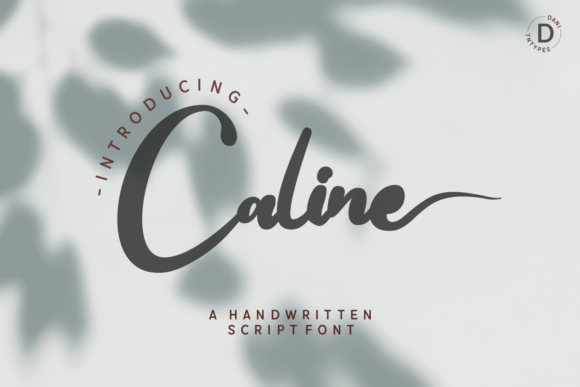
Caline is not merely a collection of glyphs; it is a stylistic choice that immediately alters the tone of communication. Visually, it mimics the stroke of a broad-nib brush, featuring varying line weights that create a dynamic rhythm as the eye moves across the text. Unlike rigid geometric typefaces, Caline flows naturally, with connected letters that suggest speed and fluidity. Its personality is approachable yet sophisticated, striking a balance that makes it suitable for both high-end branding and casual social media graphics. When you add this smooth and flowing font to each of your designs, they stand out because they feel authored by a person rather than generated by a machine.
Where Organic Typography Meets Strategic Branding
The versatility of a script font like Caline often surprises designers who assume handwritten styles are limited to wedding invitations or greeting cards. In reality, the application of this premium font extends deep into commercial and corporate sectors where brand differentiation is critical. Consider the landscape of logo design. Many startups in the lifestyle, wellness, and artisanal food spaces struggle to differentiate themselves using standard sans serifs. A logo built around Caline instantly communicates craftsmanship and care. It tells the audience that there is a human hand behind the product, which is a powerful narrative in an era of mass production.
In packaging design, the tactile quality of Caline's brush strokes can be leveraged to enhance the unboxing experience. When printed on textured paper or embossed onto a label, the varying stroke widths catch the light differently, adding a layer of physical depth that flat fonts cannot achieve. For marketers creating social media graphics, this typeface serves as an excellent tool for stopping the scroll. In a feed dominated by uniform, clean lines, a headline written in Caline disrupts the pattern, drawing attention to key offers or inspirational quotes without feeling aggressive or "salesy."
Furthermore, in editorial design and publishing, Caline functions beautifully as a display element. While it is not intended for long-form body text due to the inherent complexity of script letterforms, it excels as a chapter header, pull quote, or section breaker. It creates a clear visual hierarchy, guiding the reader through the content while maintaining a consistent mood. Whether you are designing a lookbook for a fashion retailer or a menu for a farm-to-table restaurant, the font's ability to convey elegance and warmth makes it a staple in the modern designer's toolkit.
Enhancing Readability and Audience Connection
The impact of typography on brand perception cannot be overstated. Fonts act as the voice of your brand before a single word is read. Caline influences this perception by injecting a sense of authenticity. In a digital environment that often feels sterile, a handwritten font fosters a psychological connection with the audience. It suggests transparency and friendliness, qualities that are essential for building trust with consumers. This is particularly relevant for small business owners and entrepreneurs who rely on personal relationships to drive growth.
However, utilizing a brush script requires a nuanced understanding of readability. Because Caline features connected strokes and variable thickness, it demands adequate whitespace to breathe. Cramping this creative font into a tight space or using it at too small a size will compromise legibility and diminish its professional appearance. The key to maintaining professionalism is restraint. Use Caline for emphasis—headlines, call-to-action buttons, or short taglines—and pair it with a neutral, highly readable serif font or sans serif for the supporting text. This contrast ensures that the message remains clear while the style remains impactful.
Consistency is another pillar of strong brand identity. Once you decide that Caline represents your brand's voice, it should be applied consistently across all touchpoints. From your website headers to your email signatures and printed business cards, the recurring presence of this specific typeface reinforces recognition. Over time, your audience will begin to associate the unique flow of Caline with your specific values and offerings, turning a simple design asset into a recognizable brand marker.
Practical Guidelines for Implementation and Pairing
Integrating Caline into your workflow requires more than just installation; it requires strategic evaluation. Before committing to this commercial font for a major project, consider the following practical steps to ensure optimal results:
- Evaluate Project Fit: Ask yourself if the emotional tone of the project aligns with the organic nature of Caline. If the brand message is strictly corporate, industrial, or technical, a brush script might send mixed signals. It works best for brands that value creativity, humanity, and approachability.
- Test Font Pairings: The success of a script often depends on its partner. Try pairing Caline with a clean, geometric sans serif for a modern look, or a classic serif for a more traditional, editorial feel. Avoid pairing it with other decorative or script fonts, as this creates visual competition and reduces clarity.
- Review Included Styles: Check the full character set. Does the font include alternates, ligatures, or swashes? Utilizing these variations can prevent repetition in longer headlines and add a custom, hand-lettered feel to your design assets.
- Check Licensing Terms: Always verify the license before use. Ensure that the version you acquire covers your intended use, whether it is for personal hobby projects, client work, or large-scale commercial distribution. Respecting intellectual property is fundamental to professional practice.
- Optimize for Medium: Remember that screen resolution affects how brush strokes render. On low-resolution screens, fine hairlines might disappear. Always test your designs on multiple devices to ensure the integrity of the font is maintained in web design contexts.
Ultimately, the goal of selecting a typeface like Caline is to elevate the narrative of your design. It is a tool that, when used with intention, transforms static layouts into engaging visual stories. By understanding its strengths in modern typography and respecting its limitations regarding legibility, you can harness its power to create work that resonates deeply with your audience. Whether you are a seasoned art director or a blogger looking to refresh your site's aesthetic, Caline offers a timeless quality that keeps designs feeling fresh and genuinely human.